
Search Pennsylvania Police Blotter Records
Pennsylvania police blotter records are public documents that capture incident reports, arrest logs, and law enforcement activity across all 67 counties. These records come from municipal police departments, the Pennsylvania State Police, and local agencies throughout the state. Anyone can request access to many of these records under Pennsylvania law. This guide explains where to find police blotter information, how to submit a request, and what to expect from the process in Pennsylvania.
Pennsylvania Police Blotter Quick Facts
What Pennsylvania Police Blotter Records Contain
Police blotter records in Pennsylvania document law enforcement activity at the incident level. Each entry in a police blotter typically records the date and time of an incident, the location, the nature of the call or complaint, and what action officers took. Blotter entries may note whether an arrest was made, what charges were filed, and the names of individuals involved. The level of detail varies by department and the type of incident reported.
Municipal police departments throughout Pennsylvania maintain their own logs. Many larger departments post daily or weekly blotter summaries on their websites or through local media. Pennsylvania State Police also publish incident-level data through their Public Information Release Reports. These reports give the public a view of law enforcement activity across a wide geographic area, particularly in counties where no municipal police force operates. The Pennsylvania police blotter system spans agencies of all sizes, from major urban departments to small borough forces.
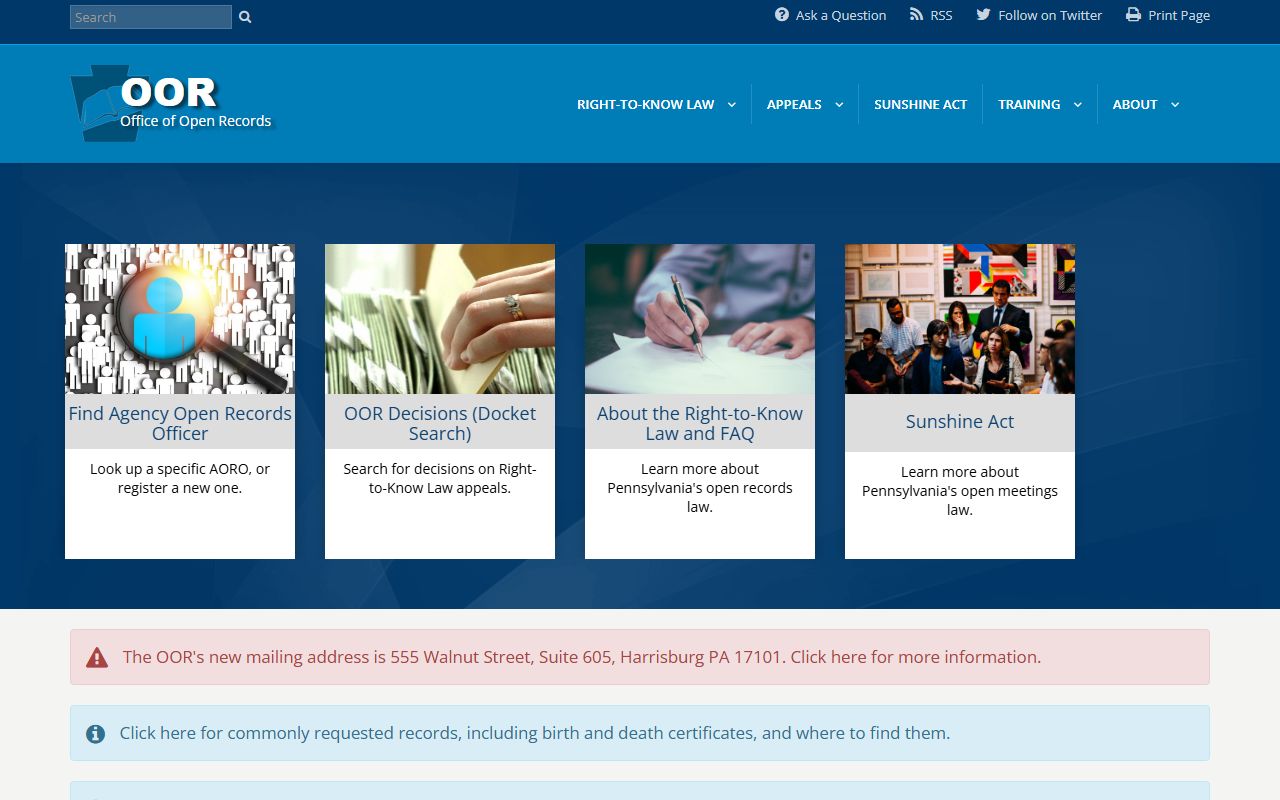
The Pennsylvania Office of Open Records provides oversight for public access requests statewide. Their website explains what records are open, how to file an appeal, and what exemptions agencies may claim when withholding records in Pennsylvania.
Some information in police blotter records may be withheld. Section 708(b)(7) of the Right-to-Know Law allows law enforcement agencies to protect records that could interfere with a criminal investigation, endanger a person, or reveal confidential informants. This means active investigation files and some arrest records may not be fully available in Pennsylvania. Closed cases and routine incident logs are generally accessible.
Note: The content of individual police blotter entries can vary widely between Pennsylvania agencies, so results from one department may differ from those in another county.
How to Search Pennsylvania Police Blotter Records Online and In Person
Pennsylvania offers several ways to find police blotter information. Online tools are often the fastest starting point. Many searches can be done for free from home. In-person requests work best when you need certified copies or want to review a full case file.
Start with the agency that handled the incident. If you know the municipality where the event occurred, contact that police department directly. Many departments in Pennsylvania maintain online blotter pages or post recent activity logs. For incidents in areas covered by the Pennsylvania State Police, check the PSP website or submit a Right-to-Know request to the Bureau of Records and Identification. If you have a court case number or the name of the person charged, the UJS Portal at ujsportal.pacourts.us gives free access to criminal case dockets across all 67 counties in Pennsylvania.
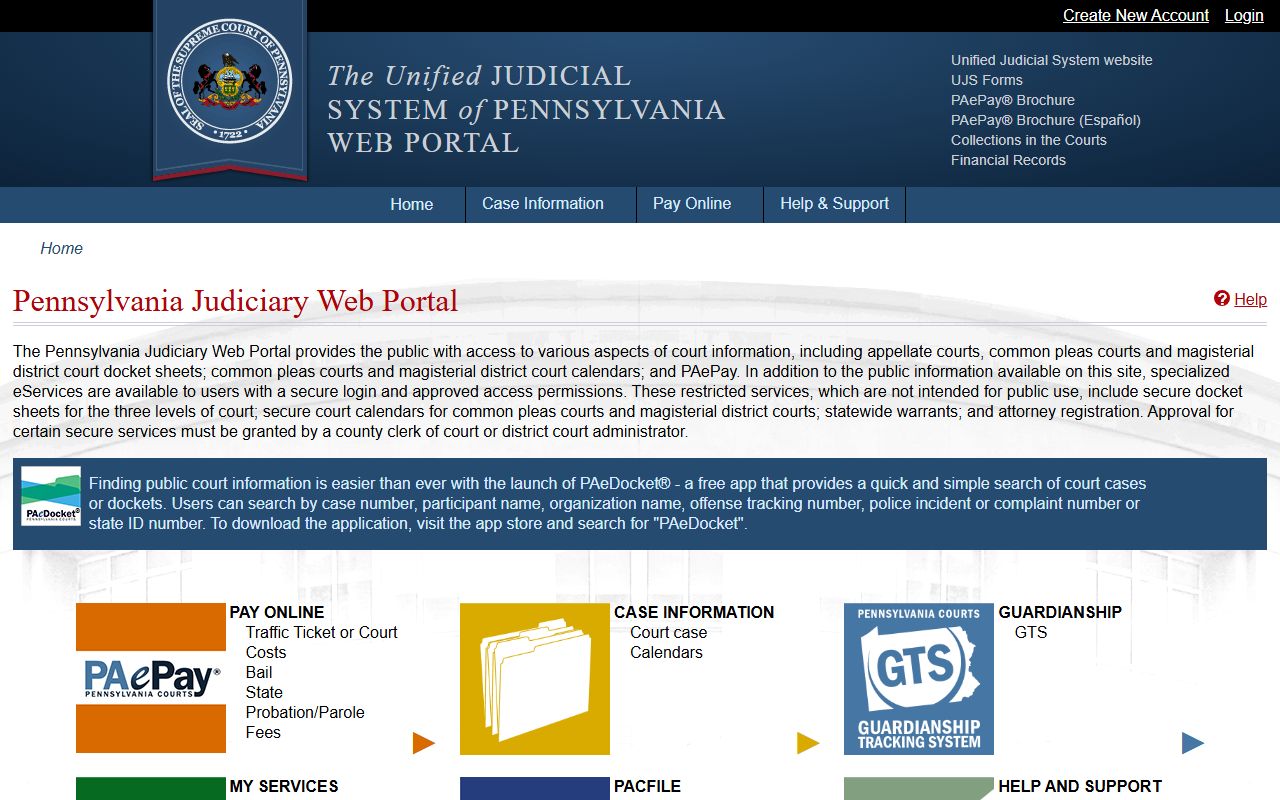
The PA Courts system also offers the PAeDocket mobile app for searching case records from a phone or tablet. Download it from pacourts.us or through your device's app store. The app pulls from the same database as the UJS Portal and is free to use. It is a convenient tool for anyone who needs quick access to Pennsylvania court and police blotter case information on the go.
For in-person searches, go to the police department or state police troop that covers the area in question. You can also visit the county courthouse Clerk of Courts or Prothonotary to review criminal case files tied to police blotter incidents. Bring as much identifying information as you can: the date of the incident, the location, and any names involved. Staff at these offices can point you to the right record in Pennsylvania.
Pennsylvania State Police Incident Reports and PIRRs
The Pennsylvania State Police serves as the primary law enforcement agency for large parts of the state. PSP provides coverage in rural areas and municipalities that do not have their own police force. This covers a significant share of Pennsylvania's land area and population. For police blotter records from these areas, PSP is the correct starting point.
PSP publishes Public Information Release Reports, known as PIRRs, which function as the official police blotter for state police activity. These reports are organized by troop and station. Each PSP troop covers a defined geographic region in Pennsylvania, and within each troop, individual stations handle specific local areas. You can access PIRRs for free at the PSP public information release reports page. Reports are posted regularly and cover incidents including crashes, arrests, and other law enforcement actions handled by PSP across Pennsylvania.
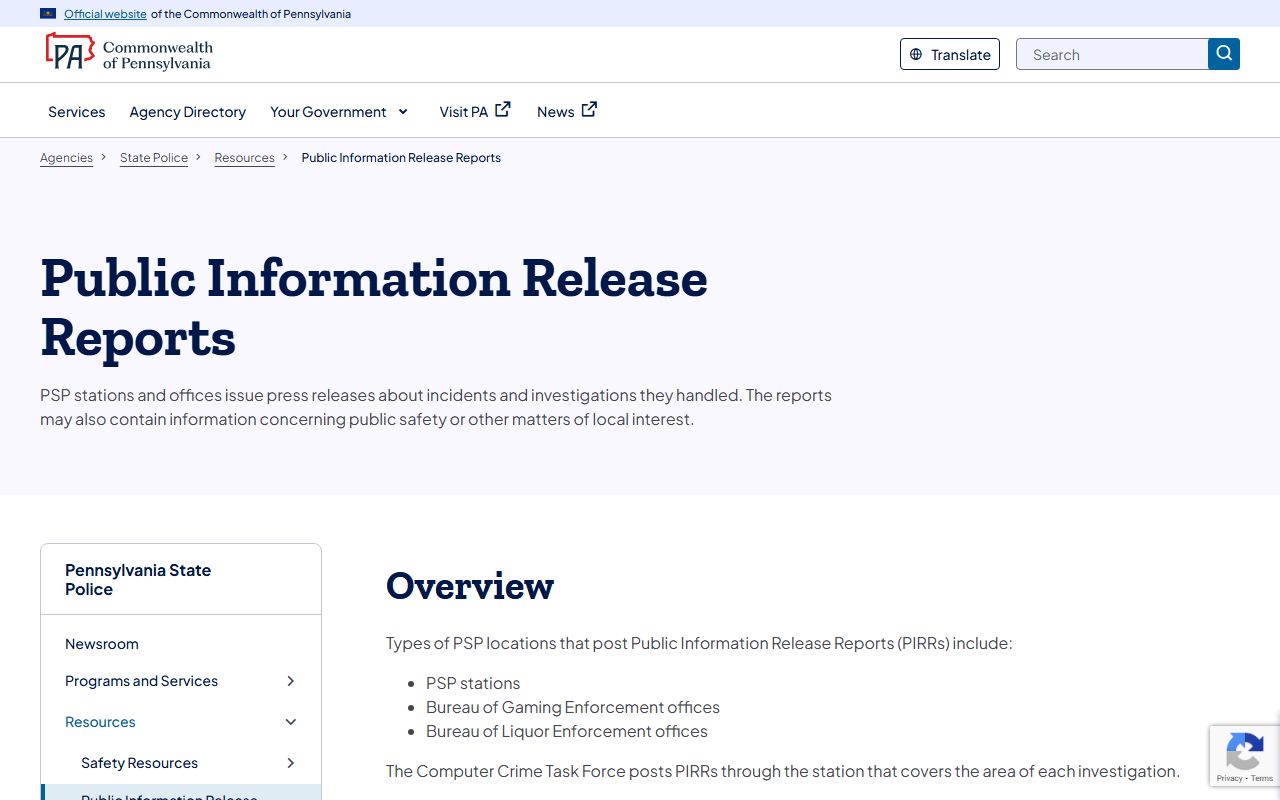
PIRRs are among the most direct public sources for Pennsylvania police blotter data. They contain the type of incident, the general location, the date, and a brief description of what occurred. Names of individuals may or may not appear depending on the nature of the case. For incidents involving juveniles or certain sensitive matters, some details will be withheld from the public version of the report in Pennsylvania.
For more detailed records or full incident reports, you can submit a formal Right-to-Know request to the PSP Bureau of Records and Identification. Their office is located at 1800 Elmerton Avenue, Harrisburg, PA 17110. The RTK office phone number is 1-877-785-7771. You can also submit your request online through the PSP Right-to-Know request portal. PSP handles incident reports, crash reports, and criminal history records for its jurisdiction across Pennsylvania.
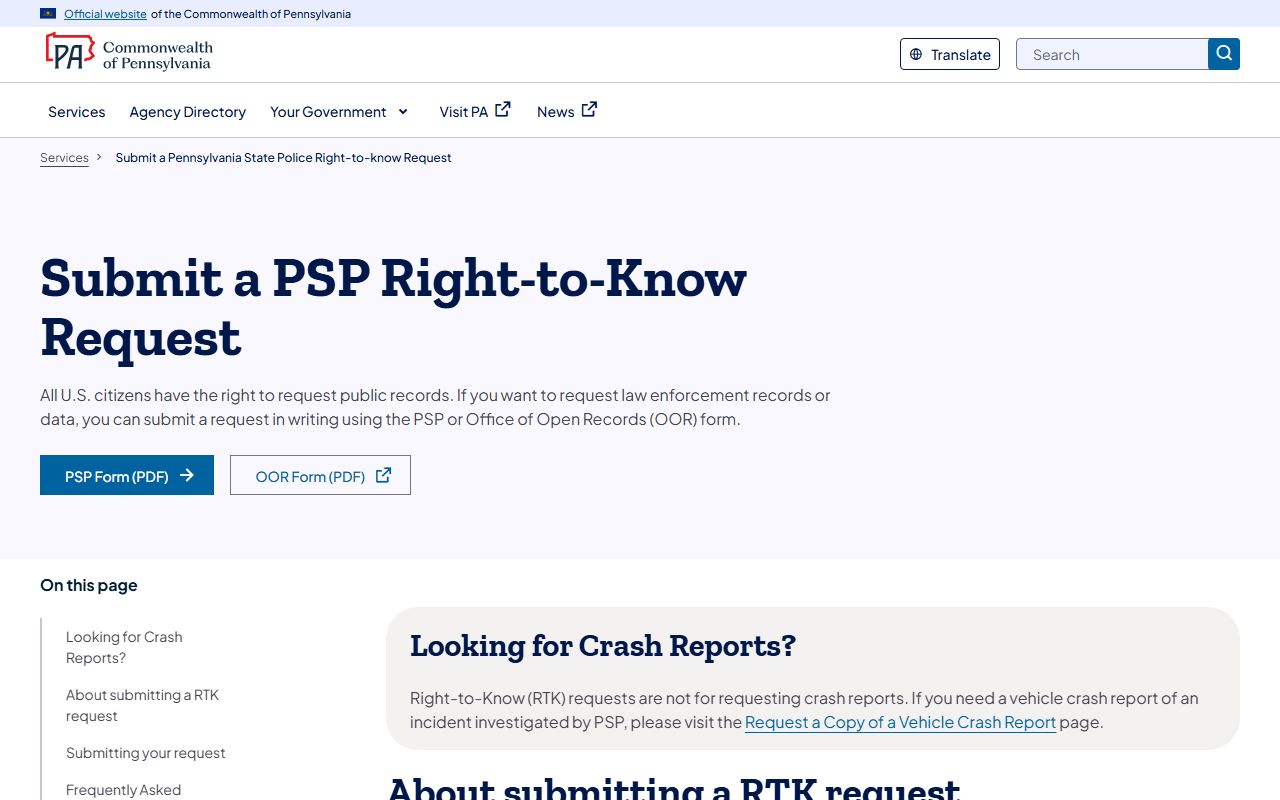
Crash reports from PSP are a commonly requested type of police record in Pennsylvania. They document the details of motor vehicle accidents investigated by state troopers. These reports can be obtained through the RTK process or purchased directly from PSP in some cases. Note that PSP handles its own RTK requests separately from the general Pennsylvania Right-to-Know Law process, and response timelines may differ slightly.
Requesting Police Blotter Records Under the Right-to-Know Law
Pennsylvania's Right-to-Know Law, codified at 65 P.S. §§ 67.101-67.3104, establishes the presumption that all government records are public. This law, enacted in 2008 as Act 3 and amended by Act 1 of 2024, gives every person the right to inspect and copy agency records in Pennsylvania. Police blotter records, incident reports, and related law enforcement documents fall under this law unless a specific exemption applies.
To submit a Right-to-Know request in Pennsylvania, you write to the open records officer at the agency that holds the records. You describe the records you want with enough detail for the agency to locate them. The agency must respond within five business days. They can grant the request, deny it, or invoke a 30-day extension if they need more time. If your request is denied or partially denied, you can appeal to the Pennsylvania Office of Open Records, which maintains an online appeal portal and a searchable docket database. Their address is 555 Walnut Street, Suite 605, Harrisburg, PA 17101, and their phone is (717) 346-9903.
You can download the official RTK Request Form as a PDF from the OOR website. Using the form is not required, but it helps ensure you include all necessary information. Many agencies in Pennsylvania also accept RTK requests by email or through their own online portals. Keep a copy of your request and any response you receive.
Section 708(b)(7) of the RTKL creates an exemption for certain law enforcement records. Agencies may withhold records if disclosure would interfere with a criminal investigation, endanger a person, or identify a confidential informant. This exemption applies most often to active cases. Once a case is closed, police blotter and incident records are more likely to be released under Pennsylvania law. Agencies that over-withhold records can be challenged through the OOR appeals process.
Note: A Right-to-Know request is not required for records that are already publicly posted, such as PIRRs from the Pennsylvania State Police or case information on the UJS Portal.
Pennsylvania Criminal History Records Through PATCH
The Pennsylvania Access To Criminal History system, known as PATCH, is the official statewide background check tool in Pennsylvania. It is maintained by the Pennsylvania State Police and gives access to conviction records and arrests pending disposition. PATCH draws on the same criminal history database that law enforcement agencies use across Pennsylvania.
You can access PATCH online at epatch.pa.gov. Each criminal history search costs $22. The system returns results instantly in most cases. Results include convictions and charges that have not yet been resolved in court. PATCH does not include records that were expunged or pardoned. It also does not return records from federal courts or other states. For Pennsylvania police blotter and arrest records that resulted in charges, PATCH is a useful complement to blotter searches because it shows what happened in court after the initial police contact in Pennsylvania.
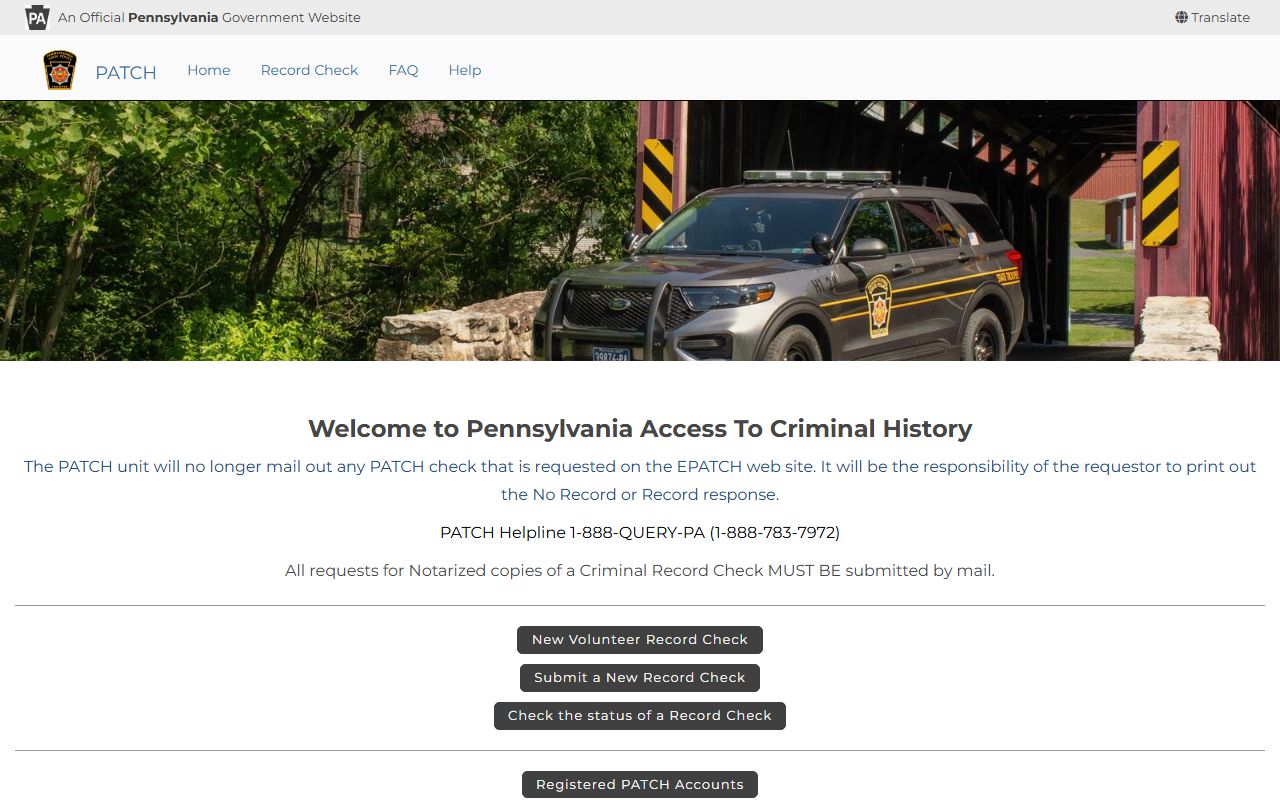
PATCH is also used for firearm purchase background checks in Pennsylvania through the Pennsylvania Instant Check System (PICS). The Criminal History Record Information Act, 18 Pa.C.S. Chapter 91, governs how criminal history data is maintained and disclosed in Pennsylvania. This statute sets rules for who can access records, what can be reported, and how individuals can challenge inaccurate information. Understanding this law helps you know what to expect when using PATCH alongside police blotter records in Pennsylvania.
Using the UJS Portal for Police Case Records
The Pennsylvania Unified Judicial System Portal is a free public tool for searching court records across all 67 counties. It is available at ujsportal.pacourts.us. You can search by a person's name or by docket number. The portal shows criminal and civil case information including party names, filing dates, judges assigned, and case status. This makes it a powerful resource for anyone following up on a police blotter entry to see what happened in court in Pennsylvania.
Docket sheets from the UJS Portal display the full timeline of a court case. You can see when charges were filed, when hearings took place, and what the outcome was. The portal is updated regularly as cases move through the Pennsylvania court system. Searching is free and requires no registration. However, actual court documents such as affidavits of probable cause and hearing transcripts must be obtained from the Clerk of Courts or Prothonotary in the relevant county.
The PAeDocket mobile app from pacourts.us provides the same case search functionality from a smartphone. It is a convenient option for quick lookups while away from a computer. The app is free and available for both iOS and Android devices. Combined with police blotter records from the issuing agency, the UJS Portal gives a clear picture of law enforcement activity and its legal outcomes across Pennsylvania.
Right-to-Know Law Fees and Exemptions for Police Blotter Records
Pennsylvania agencies may charge fees for fulfilling Right-to-Know requests. The OOR fee structure page outlines what agencies can charge for duplication, conversion, and postage. Agencies cannot charge for the time spent searching for records unless the search takes more than two hours, in which case they may charge a reasonable fee. Fees for standard paper copies are set at a per-page rate in Pennsylvania.
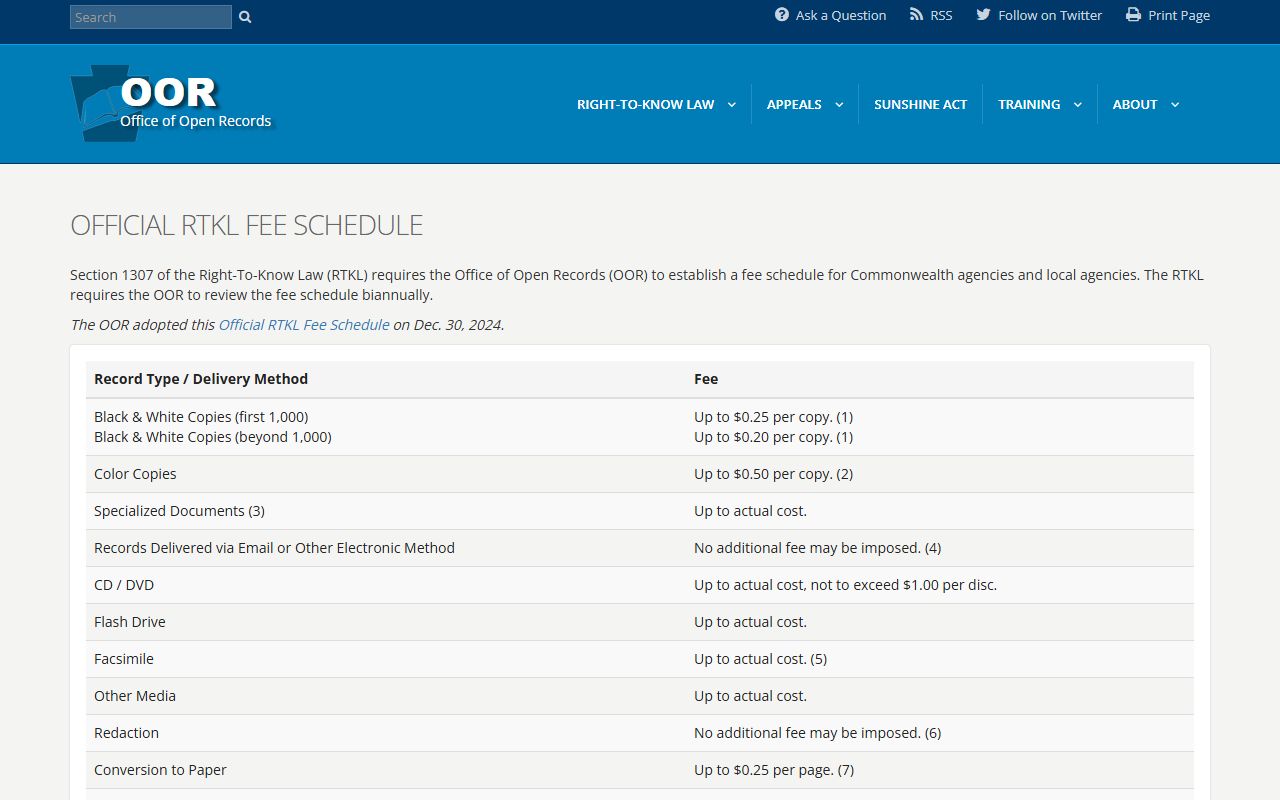
Electronic records provided via email or digital download are often available at no cost or lower cost than printed copies in Pennsylvania. Requesting records in electronic format when possible can reduce or eliminate fees. If you anticipate a large or expensive request, you can ask the agency for a cost estimate before they fulfill it. You have the right to narrow your request to lower the cost.
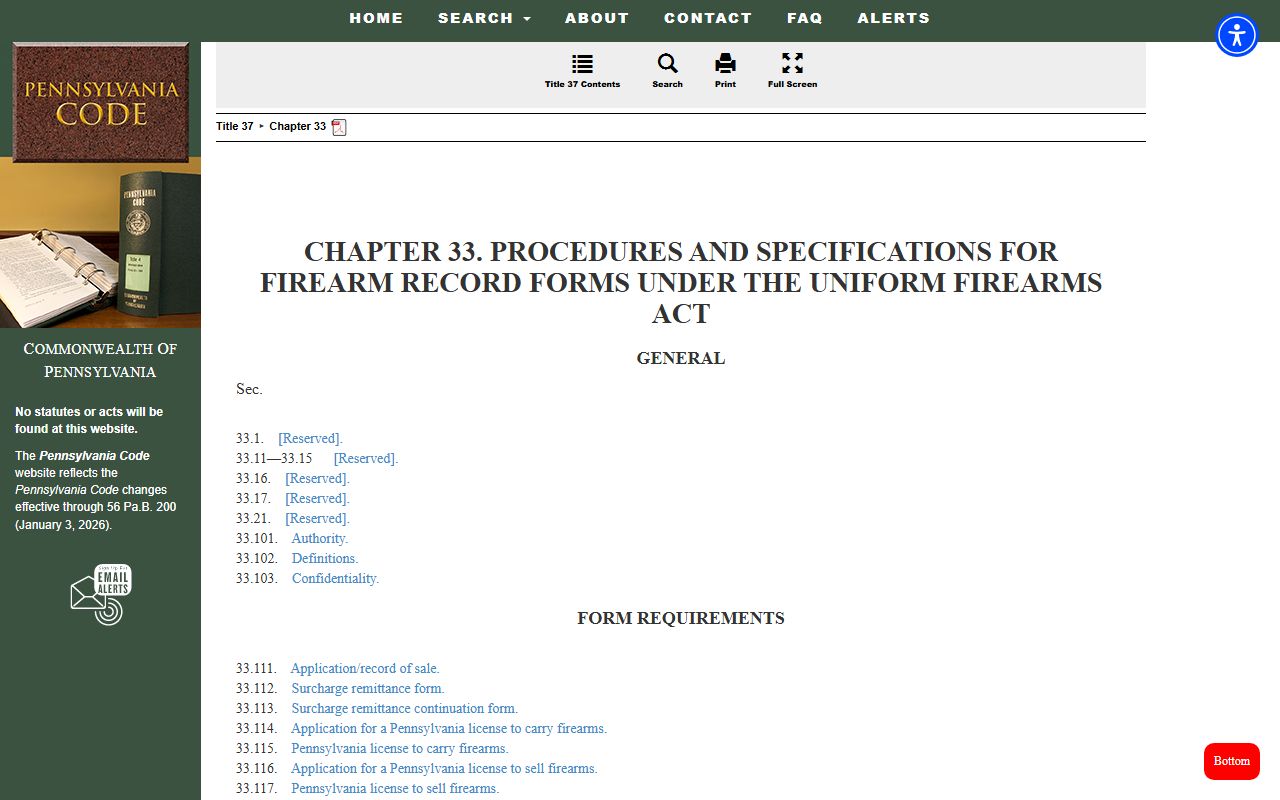
Several exemptions apply specifically to law enforcement records under the RTKL. Beyond the active investigation exemption in Section 708(b)(7), Pennsylvania law also protects personal information in records such as home addresses and phone numbers of private individuals, information about victims of certain crimes, and juvenile records. Firearm records present a separate category. Pennsylvania Code Chapter 33, accessible at pacodeandbulletin.gov, establishes that firearm records are generally not subject to public disclosure under Section 33.103. This exemption applies to records created under the Uniform Firearms Act, 18 Pa.C.S. §§ 6101-6126.
When an agency denies a police blotter records request, they must provide a written explanation citing the specific exemption they are invoking. You have 15 business days to appeal that denial to the Pennsylvania Office of Open Records. The OOR resolves most appeals within 30 days. Their decisions are binding on state agencies and can be further appealed to Commonwealth Court in Pennsylvania.
Note: Mental health records created under the Mental Health Procedures Act, 50 P.S. §§ 7101-7503, are confidential and are not available through police blotter or Right-to-Know requests in Pennsylvania.
Browse Pennsylvania Police Blotter Records by County
Every county in Pennsylvania has its own law enforcement agencies and court offices. Select a county below to find local police blotter resources, contact information, and guidance for records requests in that area.
Browse Police Blotter Records by City
Major Pennsylvania cities have their own police departments and maintain local police blotter records. Select a city below to find police blotter resources specific to that area.